"The movie gives you what you think you want, and then gives you some more, and just when you think things can't get any worse, Haneke swoops in and smashes the wall between fiction and reality, turning the viewer into a direct accomplice to what's transpiring onscreen. It is an astonishing film, sure to be controversial, and quite simply unforgettable"
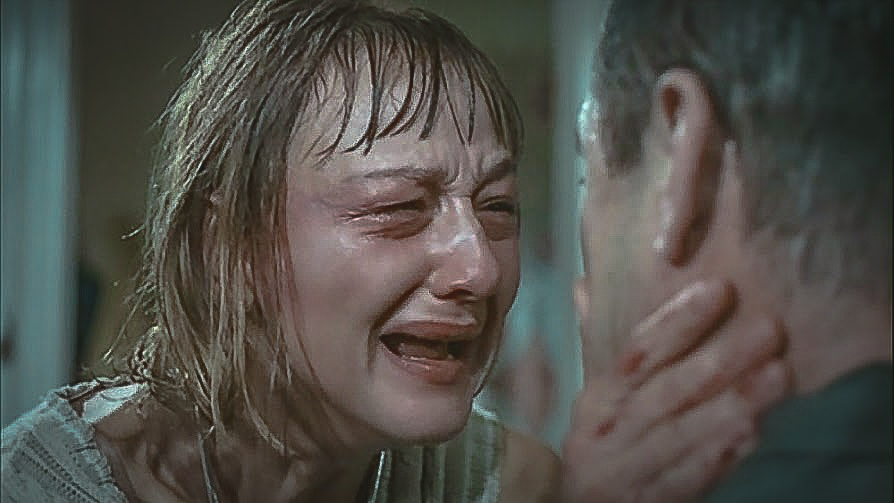
Funny Games plot is profoundly simple. A middle-aged upper-middle-class Austrian family, mum (Anna,Susanne Lothar), dad (Georg, Ulrich Muhe) and their son begin vacation at a lakeside summerhouse. There they encounter two young man, Peter (Frank Giering) and Paul (Arno Frisch). At first they seem polite and innocent enough, but upon being invited inside gradually proceed to terrorize the family, initially imposing themselves beyond comfortable social custom before eventually assaulting, taking hostage and playing sadistic games on them.The escalation of events is horrifying .
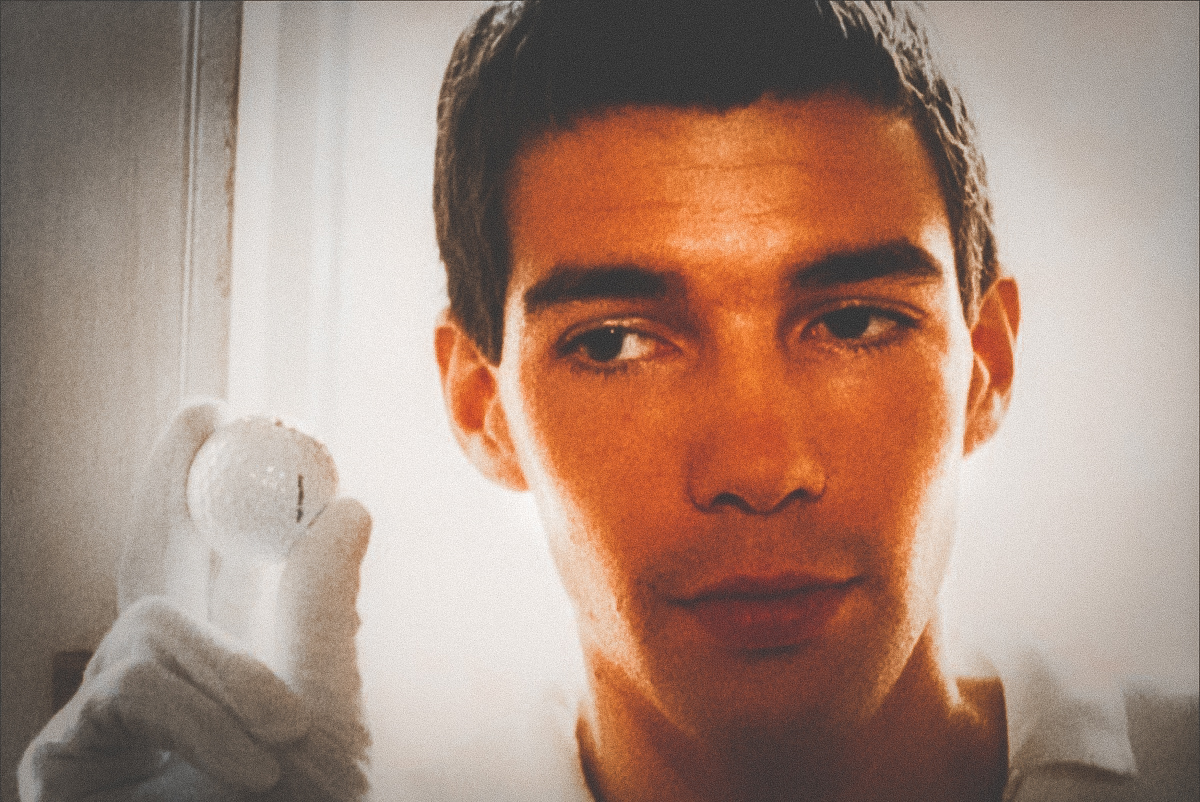
One of the most popular criticisms of Funny Games is its lack of characterization of any of four main characters. Funny Games is far from being a straightforward exercise in genre filmmaking, as is made clear by its notorious "fourth wall breaking". The first instance of this occurs when Paul, subtly and in extreme close-up, winks sinisterly at the camera. Later on the two villains totally obliterate the boundary between on-screen character and audience, as Paul and Peter directly address the viewer, asking us what we think is going to happen.Then towards the end of the film, when Ann gets hold of the shotgun and shoots Peter, Paul uses remote control can to rewind the scene .
"Anyone who leaves the cinema doesn't need the film, and anyone who stays does!' Said Michael Haneke when it was suggested that the most 'morally appropriate" response to his excruciating German-language film Funny Games was to walk out.
Funny Games: Don't You Want to See How It Ends?
Breaking the Fourth Wall
Unlike typical horror villains, Paul is aware that he is in a movie. He frequently turns to the camera to wink at the audience or ask them questions, such as:
By doing this, Haneke removes the "safety" of the screen. He reminds us that the only reason these characters are suffering is because we are watching. If we turned the movie off, the suffering would stop.
The Infamous "Rewind" Scene
The most controversial moment occurs late in the film. Anna manages to grab a shotgun and kills Peter. For a brief second, the audience feels a surge of cathartic relief—the traditional "hero's triumph."
However, Paul picks up a television remote control and literally rewinds the film. The scene plays out again, but this time Paul intervenes before Anna can grab the gun. This scene is Haneke’s ultimate provocation: he proves that the "rules" of cinema (where the good guys eventually win) are arbitrary, and that in this world, the villains control the narrative because the audience demands a feature-length spectacle.
Legacy and Remake
The film was so effective in its critique that Haneke remade it shot-for-shot in English in 2007 (starring Naomi Watts and Tim Roth). He did this specifically to target American audiences, whom he believed were the primary consumers of the "glamorized" violence he sought to criticize.
Critical Reception
Upon its release at Cannes in 1997, many critics walked out in disgust. Haneke famously stated that if anyone walked out of the theater, they didn't need the movie, but those who stayed until the end were the ones the message was intended for.





.jpg)
