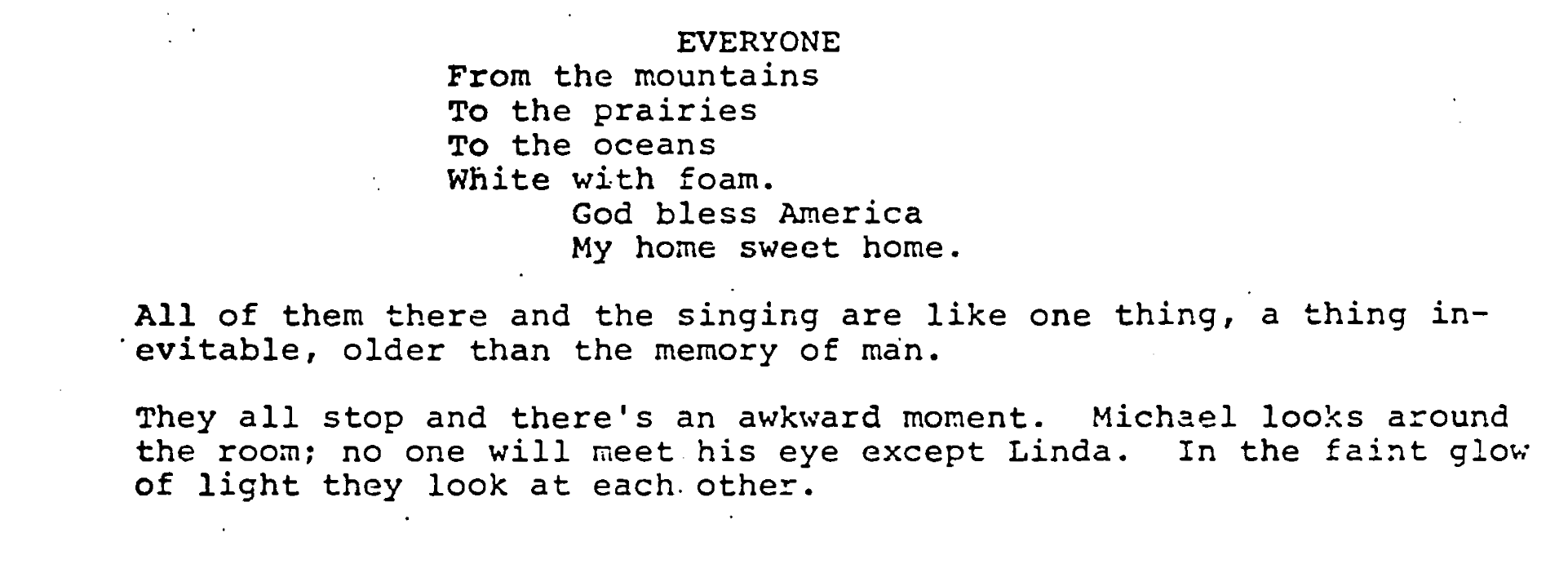
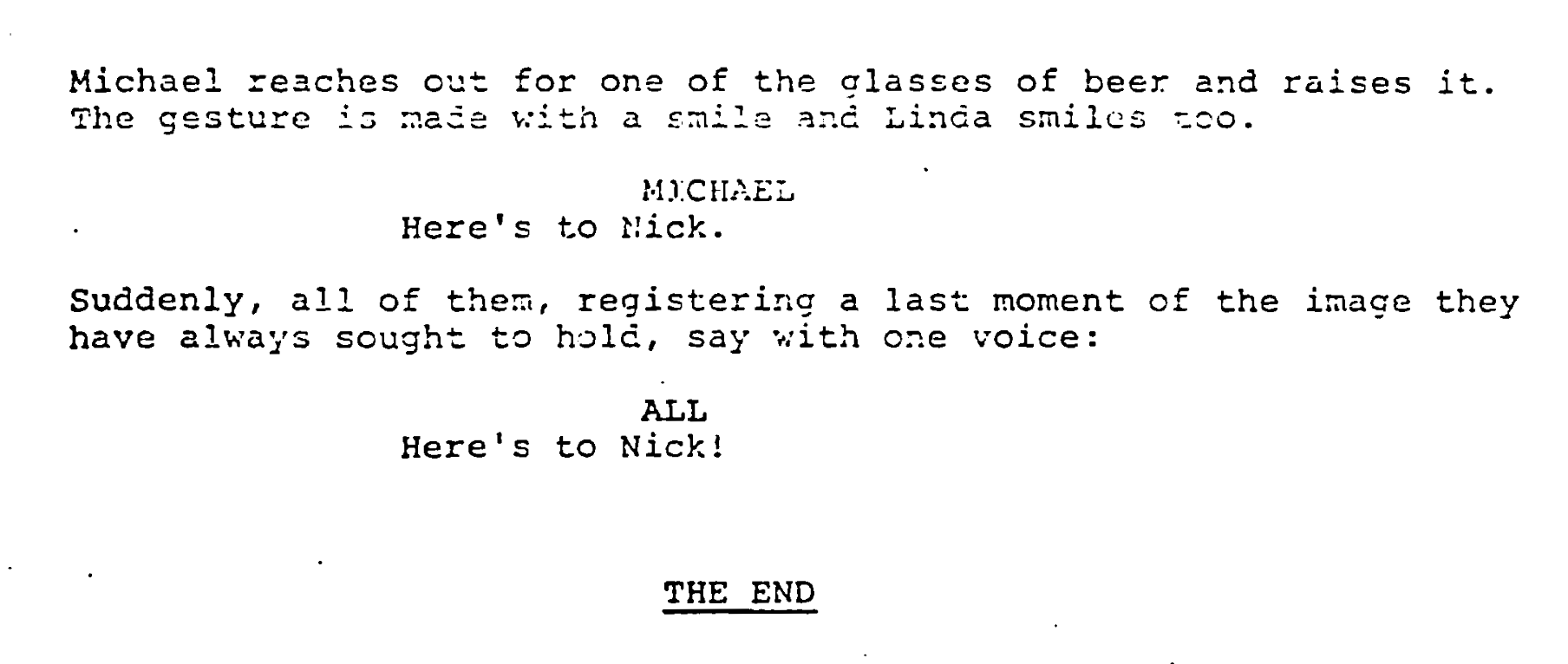
"Michael's Cimino's "The Deer Hunter" is a big, crazily ambitious, sometimes breathtaking motion picture that comes as close to being a popular epic as any movie about this country since "The Godfather."
Three Pennsylvania steelworkers, Mikey (Robert De Niro), Nick (Christopher Walken) and Steven (John Savage), obey Uncle Sam's call to fight in Vietnam, leaving behind wives and sweethearts, including shopworker Linda (Streep) who may be in love with more than one of them. Before they leave, they attend Steven's wedding: a ceremony in which, without realising it, they are saying goodbye to their old lives.
Michael Cimino's "The Deer Hunter" is a three-hour movie in three major movements. It is a progression from a wedding to a funeral. It is the story of a group of friends. It is the record of how the war in Vietnam entered several lives and altered them terribly forever. It is not an anti-war film. It is not a pro-war film. It is one of the most emotionally shattering films ever made. It begins with men at work, in the furnace of the steel mills in a town somewhere in Pennsylvania. The klaxon sounds, the shift is over, the men go down the road to a saloon for a beer. They sing "I Love You Bay-bee" along with the jukebox. It is still morning on the last day of their lives that will belong to them before Vietnam.

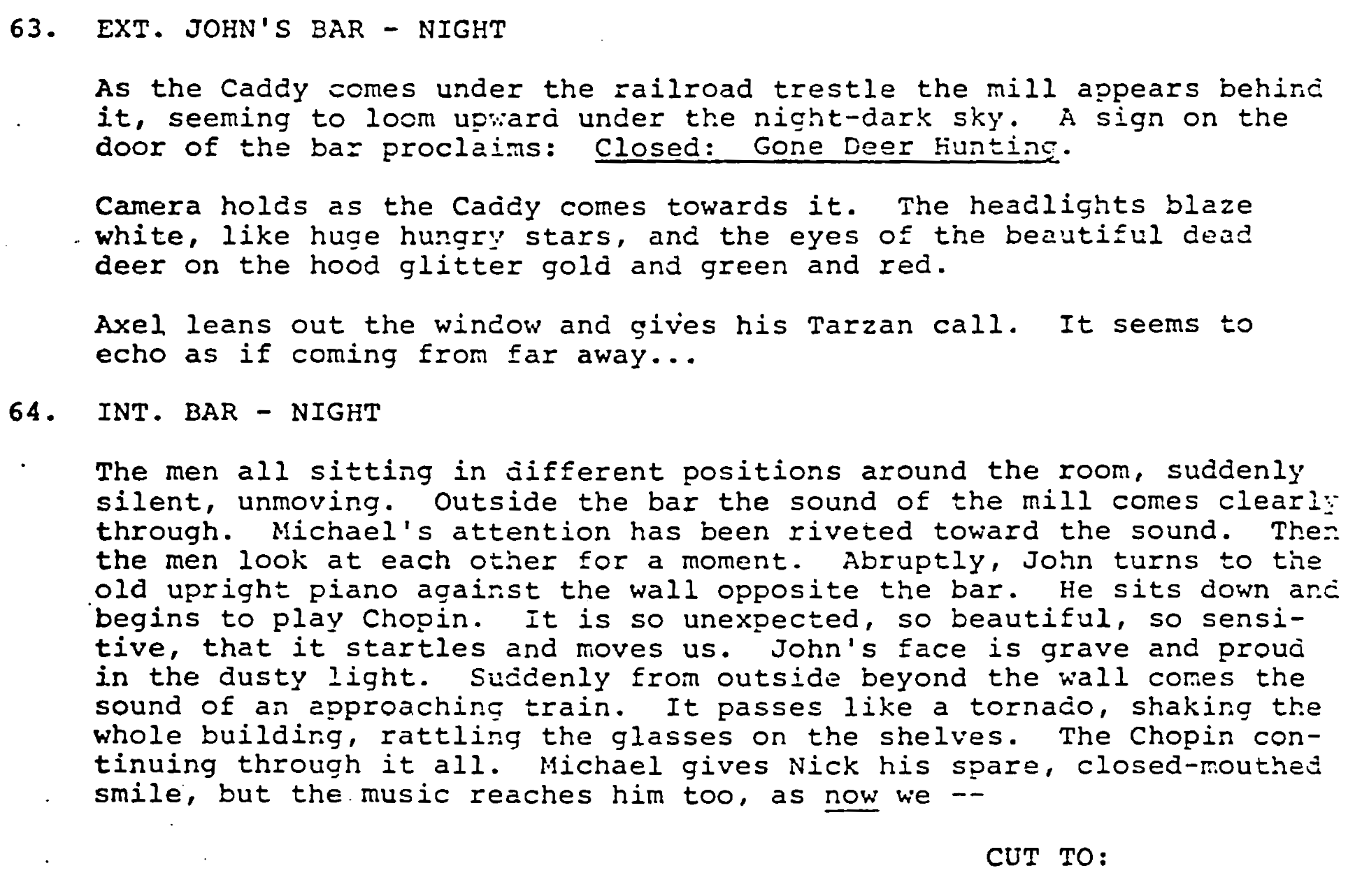
The opening movement is lingered over; it's like the wedding celebration in "The Godfather," but celebrated by hard-working people who have come to eat, dance and drink a lot and wish luck to the newlyweds and to say good-by to the three young men who have enlisted in the Army. The party goes on long enough for everyone to get drunk who is ever going to, and then the newlyweds drive off and the rest of the friends go up into the mountains to shoot some deer.
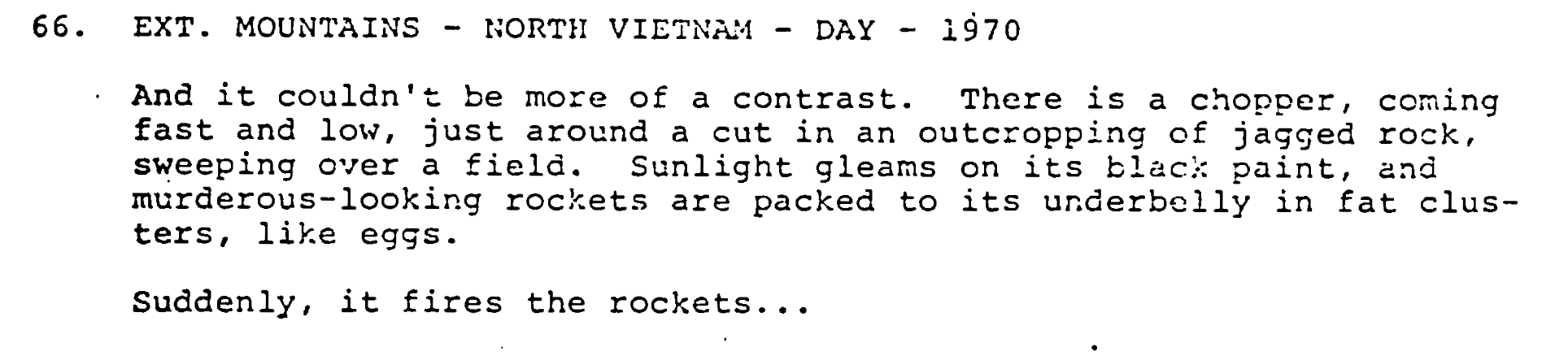
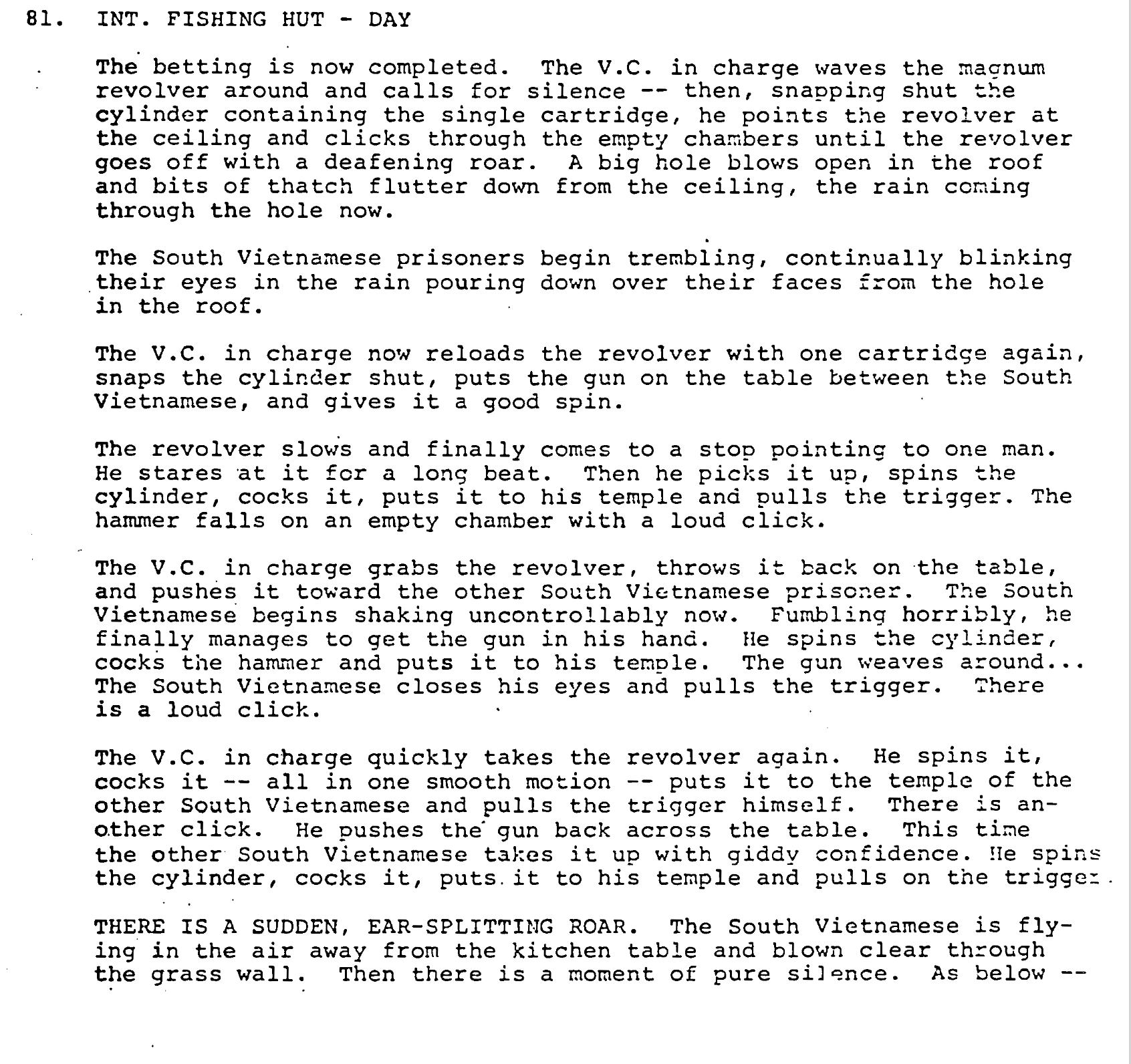
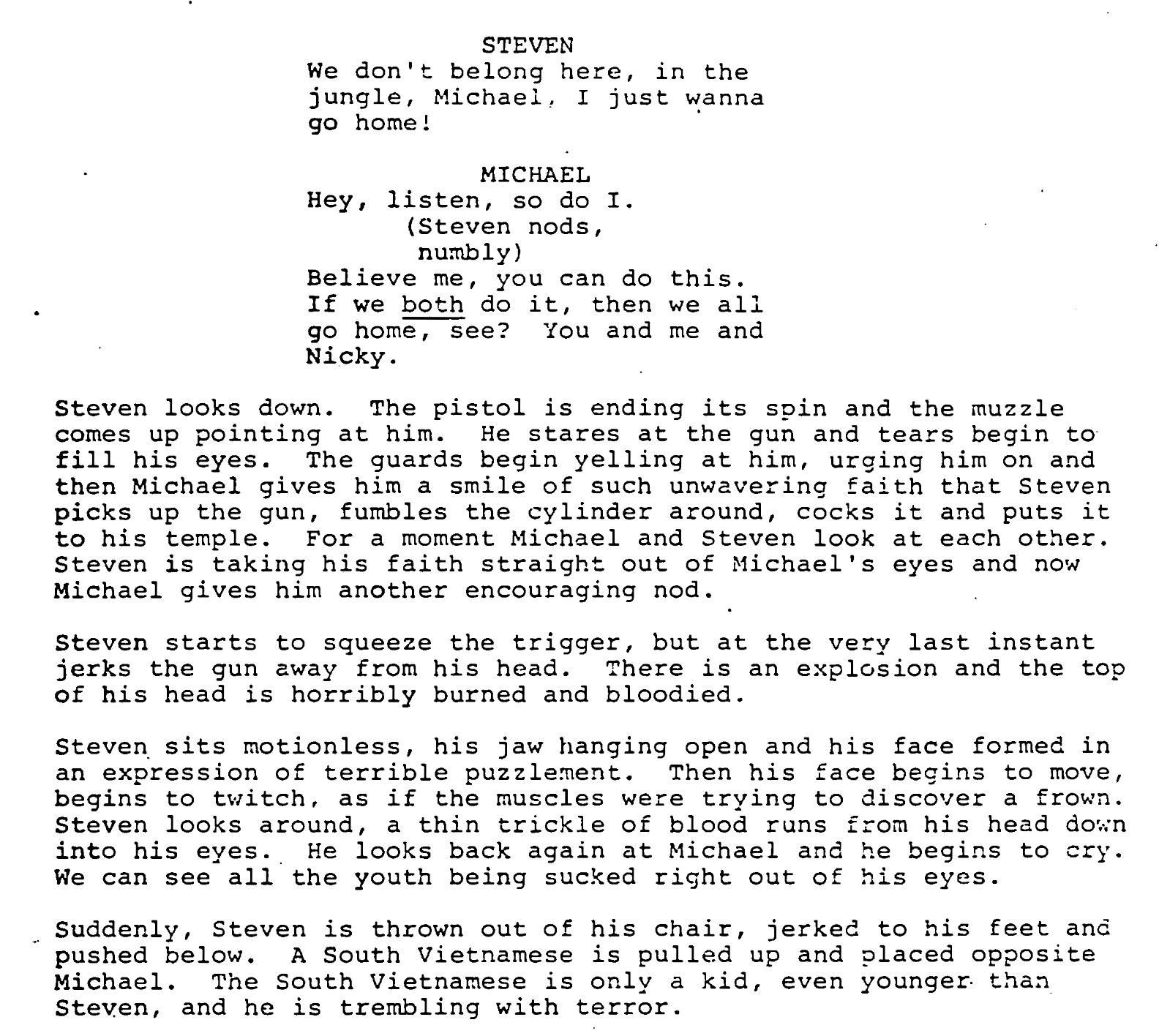
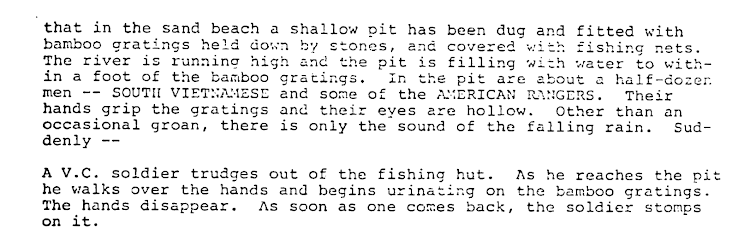
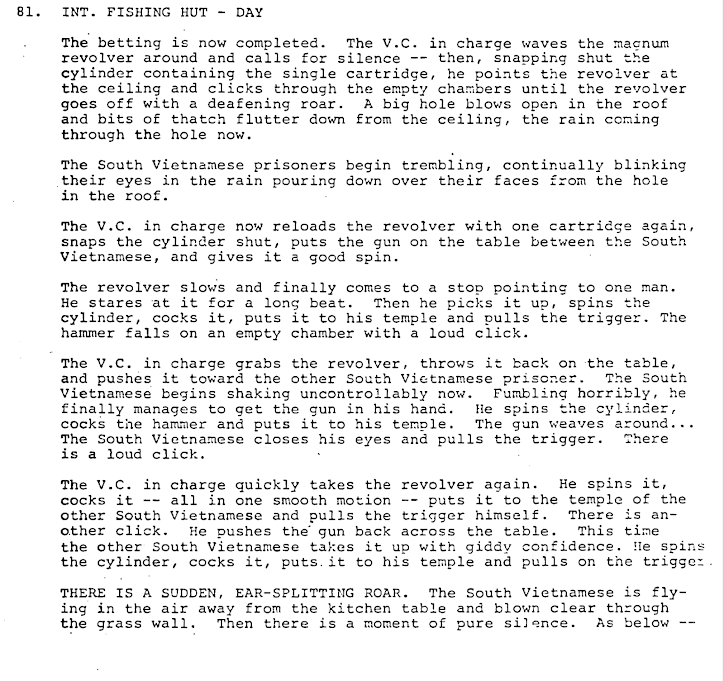
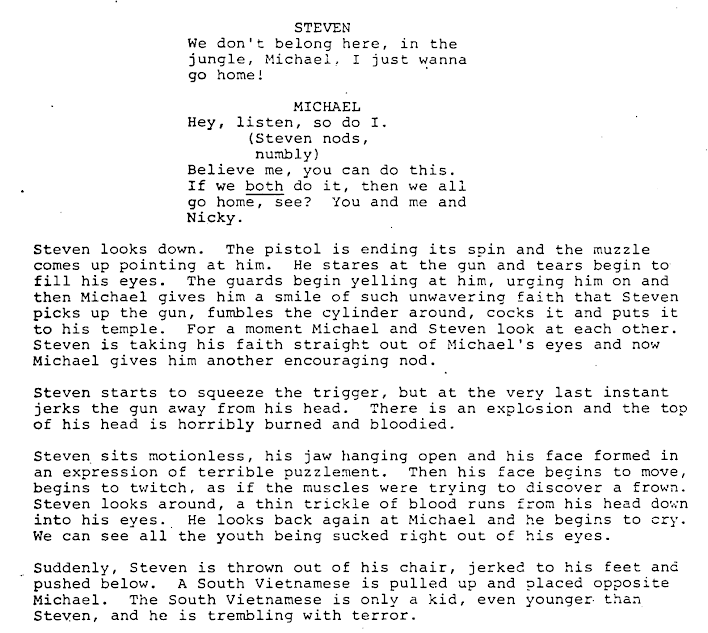
Then Vietnam occupies the screen, suddenly, with a wall of noise, and the second movement of the film is about the experiences that three of the friends have there. At the film's center comes one of the most horrifying sequences ever created in fiction, as the three are taken prisoner and forced to play Russian roulette while their captors gamble on who will, or will not, blow out his brains.
The game of russian roulette becomes the organizing symbol of the film: Anything you can believe about the game, about its deliberately random violence, about how it touches the sanity of men forced to play it, will apply to the war as a whole. It is a brilliant symbol because, in the context of this story, it makes any ideological statement about the war superfluous.
"The Deer Hunter" is said to be about many subjects: About male bonding, about mindless patriotism, about the dehumanizing effects of war, about Nixon's "silent majority." It is about any of those things that you choose, if you choose, but more than anything else, it is a heartbreakingly effective fictional machine that evokes the agony of the Vietnam time.
https://www.rogerebert.com/reviews/the-deer-hunter-1979

Release date: February 23, 1979 (USA) Starring: Robert De Niro; John Cazale; John Savage; Meryl Streep; Christopher Walken

I don't make 'flat' movies. I want to take down the wall of the screen."

Narrative Structure: The Three Acts
The Deer Hunter is structurally unique, divided into three distinct, elongated acts that contrast the warmth of community life with the psychological disintegration caused by war.
Act I: The Homefront (Clairton, Pennsylvania)
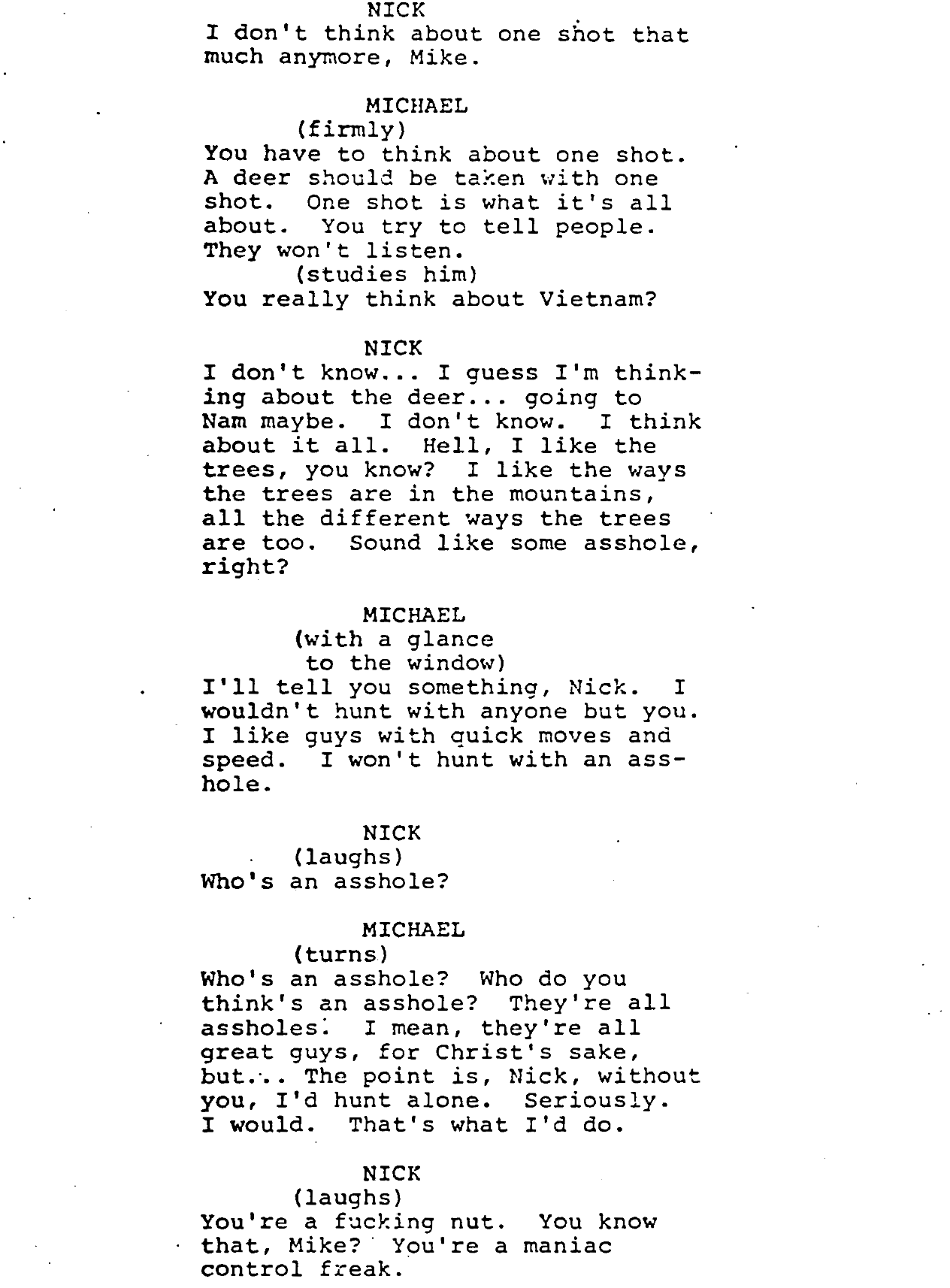
The film opens with a massive, nearly hour-long sequence set in a gritty industrial steel town. We witness the tight-knit bond of the friends, culminating in Steven’s elaborate, traditional Russian Orthodox wedding and a final, spiritual deer hunting trip in the misty Allegheny Mountains. Michael adheres to a strict code: the deer must be killed with "one shot."
Act II: The Crucible (Vietnam)
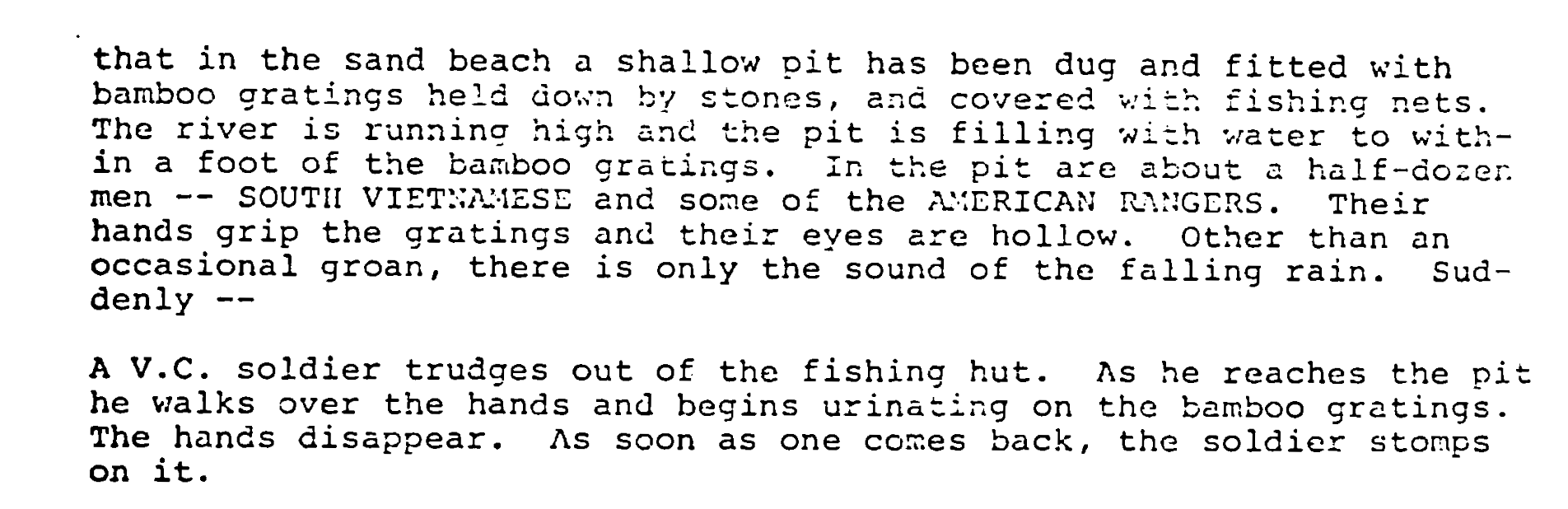
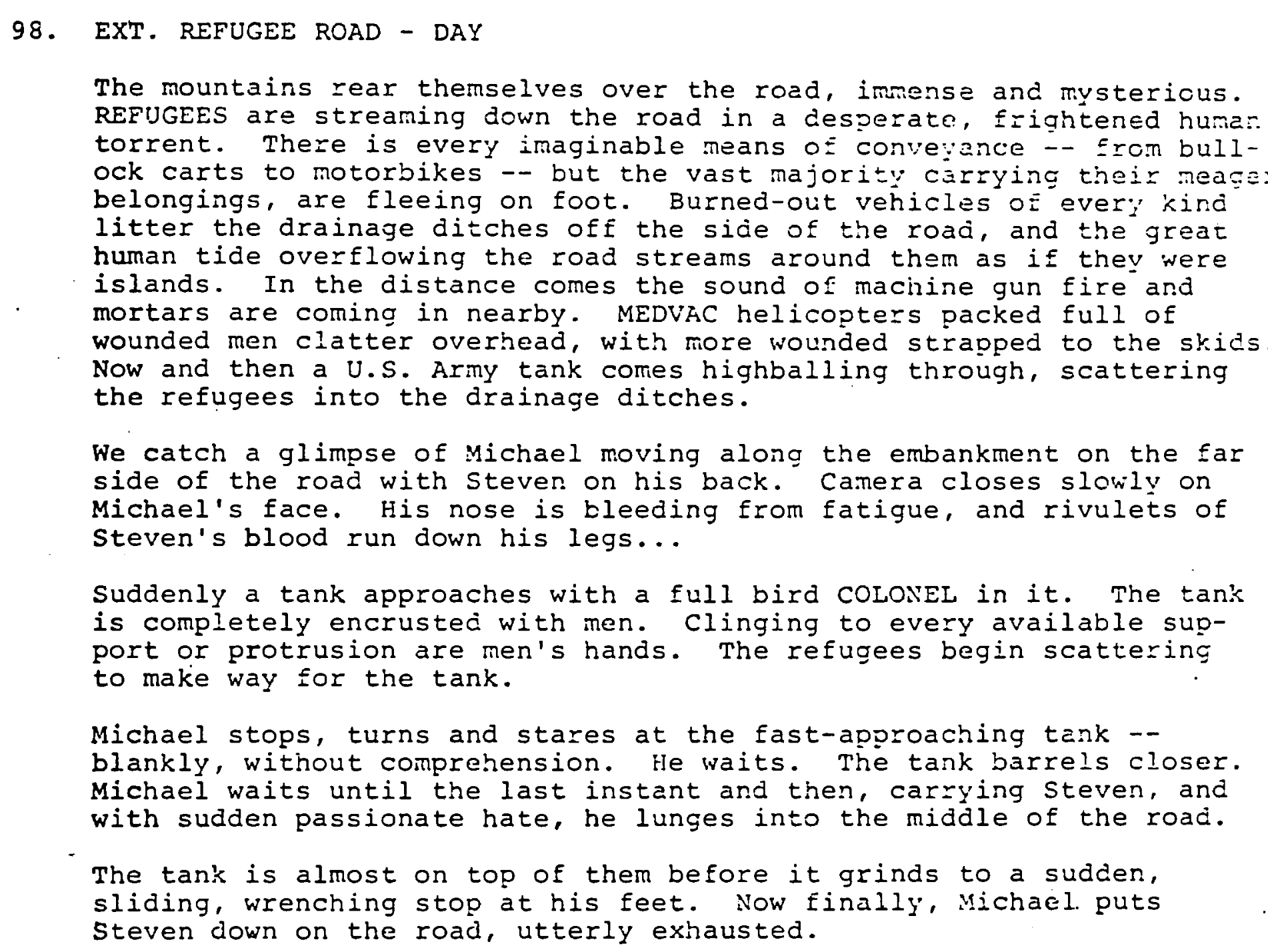
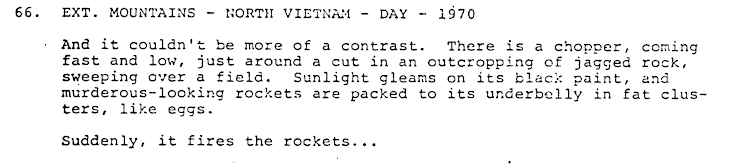
The narrative abruptly cuts from the quiet mountains to the chaotic, fiery hellscape of Vietnam. Michael, Nick, and Steven are captured by the Viet Cong and forced to play Russian roulette for the amusement of their captors. This sequence, packed with unbearable tension, serves as the psychological anchor of the film. Michael engineers a daring escape, but the trio is separated. Steven is severely physically wounded, while Nick is hospitalized in Saigon with severe psychological trauma.
Act III: The Aftermath and Return
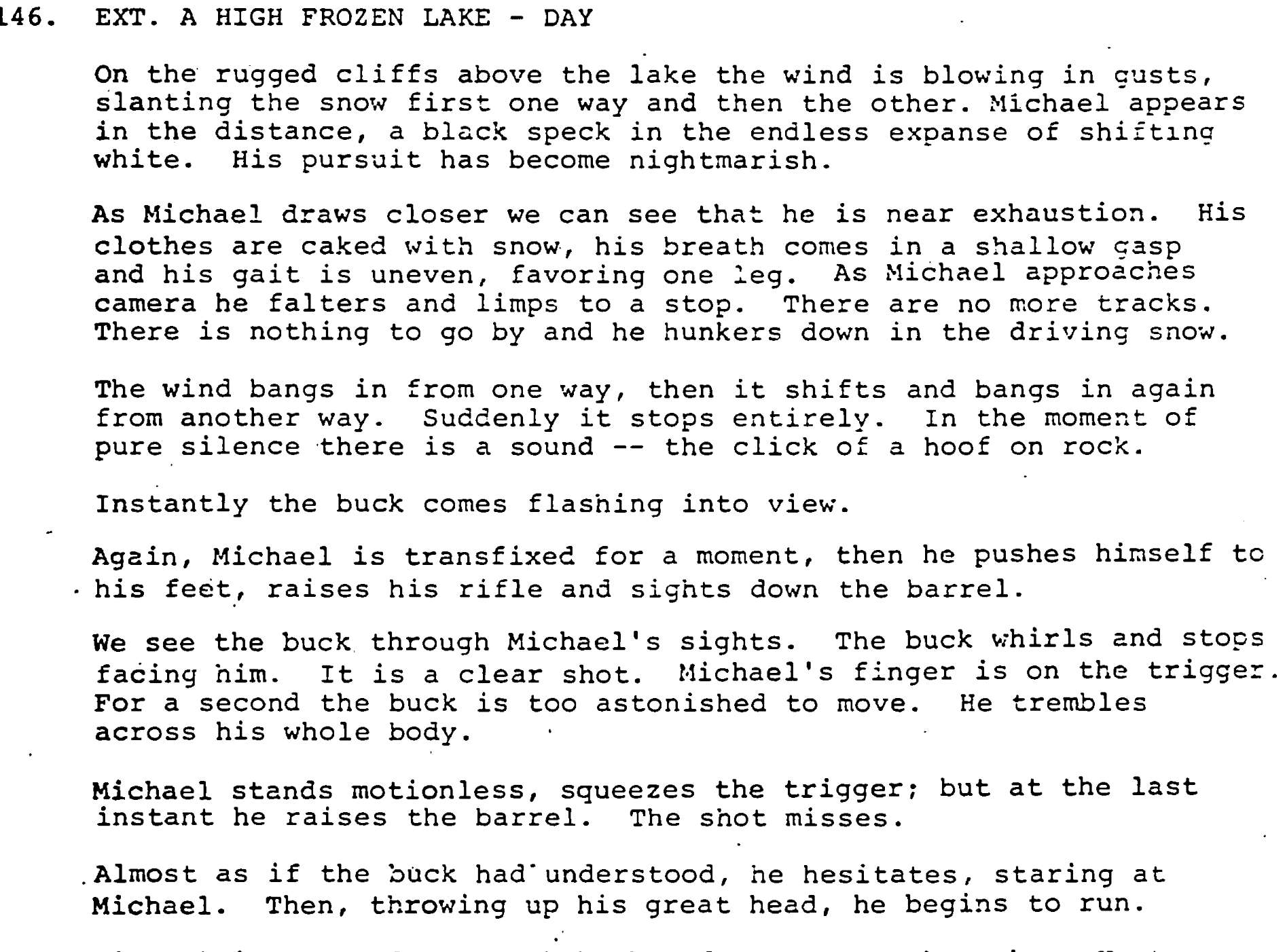
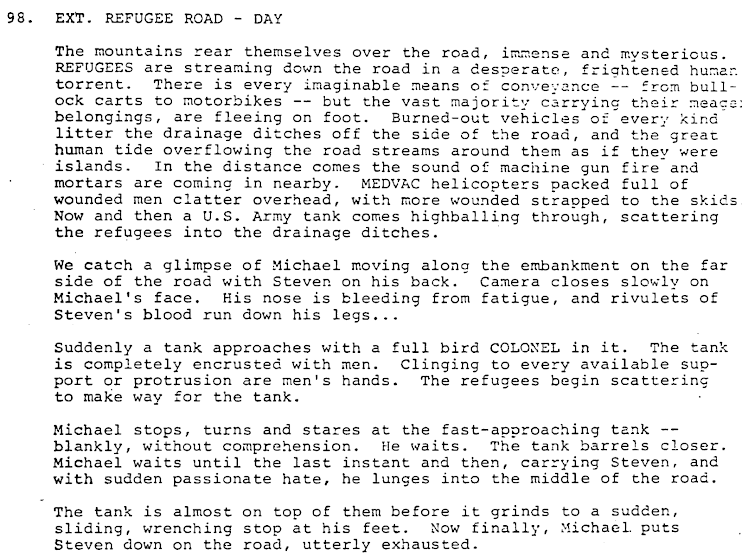
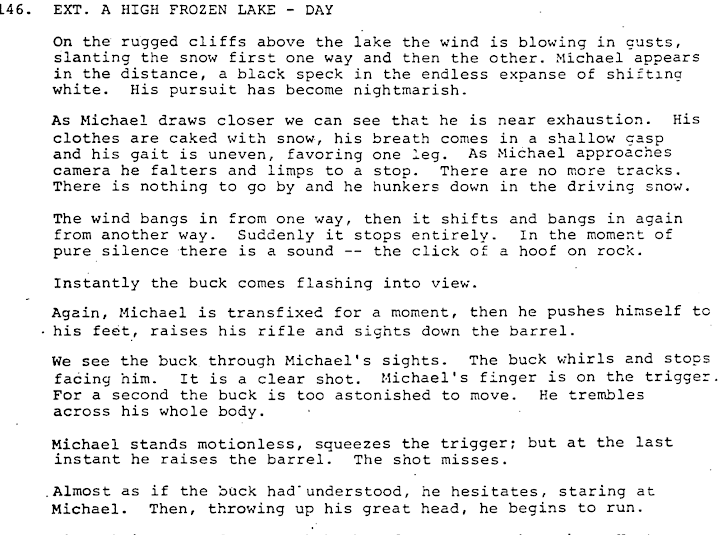
Michael returns to Clairton but finds himself emotionally alienated from his old life and unable to pull the trigger during a subsequent hunt. Learning that Steven is in a veterans' hospital—paralyzed and receiving anonymous cash from Saigon—Michael travels back to a crumbling, chaotic Saigon on the eve of its fall to find Nick. He discovers Nick has become a professional Russian roulette player in the city's underground, completely hollowed out by trauma.

Controversies and Critical Legacy
The Historical Accuracy Debate
Upon its release, the film faced intense backlash from some journalists and anti-war activists for its depiction of the Viet Cong. Critics pointed out that the Russian roulette scenes were completely fabricated. Prominent film critic Roger Ebert, however, defended the film, arguing that it was "not a historical document" but an "artistic recreation of the experience of the war."
Cultural and Artistic Impact
Despite the controversy, the film was a major box-office success and revitalized the careers of its stars.
It cemented Robert De Niro as the leading actor of his generation.
It launched Christopher Walken into stardom.
It showcased Meryl Streep's immense talents early in her career, earning her her first Academy Award nomination.
In 1996, The Deer Hunter was selected for preservation in the United States National Film Registry by the Library of Congress as being "culturally, historically, or aesthetically significant."








.jpeg)