The Fabelmans, directed by Spielberg and co-written with playwright Tony Kushner, has been hailed as Spielberg’s most autobiographical film and has won generally admiring reviews. The story of a teenage boy coping with his parents’ disintegrating marriage in the 60s midwest is described by many as a “rare insight into the world’s most famous director's early life
The Fabelmans are a middle-class Jewish family living in various cities in the middle of the 20th century. Steven Spielberg's film about them centers on the conflict between artistic drive and personal responsibility, as well as the mysteries of talent and happiness.
Steven Spielberg’s uncharacteristically personal drama The Fabelmans is a string of character-defining memories, rare insight into the world’s most famous director who has usually kept us at arm’s length.
His formative years are moulded into something semi-fictionalised here – this is The Fabelmans, not the Spielbergs – but the vague details are roughly the same, the story of a boy discovering his love for film as his family splinters around him.
We start with his first experience at the cinema, as Sammy, in terrified awe of The Greatest Show on Earth and then haunted by what he’s seen. Determined to recreate the train crash that has filled his nightmares, to control and understand his fear, he begins a journey of home movies, both encouraged by his parents while reminded that a hobby should only take over so much of his time. As he grows, we spend the majority of the film with his teenage self, played by an excellent Gabriel LaBelle, as he wrestles with his passion while grappling with the slow decay of his parents’ marriage, played by Paul Dano and Michelle Williams.
The script, from Spielberg and Tony Kushner, speeds past the easy potholes and takes us somewhere less expected, focusing on smaller, not-as-easily explained emotions rather than the swell of the big. There remains a remove though still, Spielberg giving us a slightly too stage-managed version of himself and his family, some gristle missing from the darkest moments.
His father’s career ascent has them moving from state to state, adding a strain to their friendship with “uncle” Benny, played by Seth Rogen, who Sammy starts to realise is more than just a friend to his mother.
There’s already talk of this finally being Williams’s Oscar to lose (she’s been nominated four times before) and it’s certainly a performance that goes for it, unusual and specific, propelled by an indefinably weird energy that we’re not used to seeing in suburban mothers from the 50s and 60s.

Release date: November 11, 2022 (USA) Edited by: Michael Kahn; Sarah Broshar
Cinematography & Craft
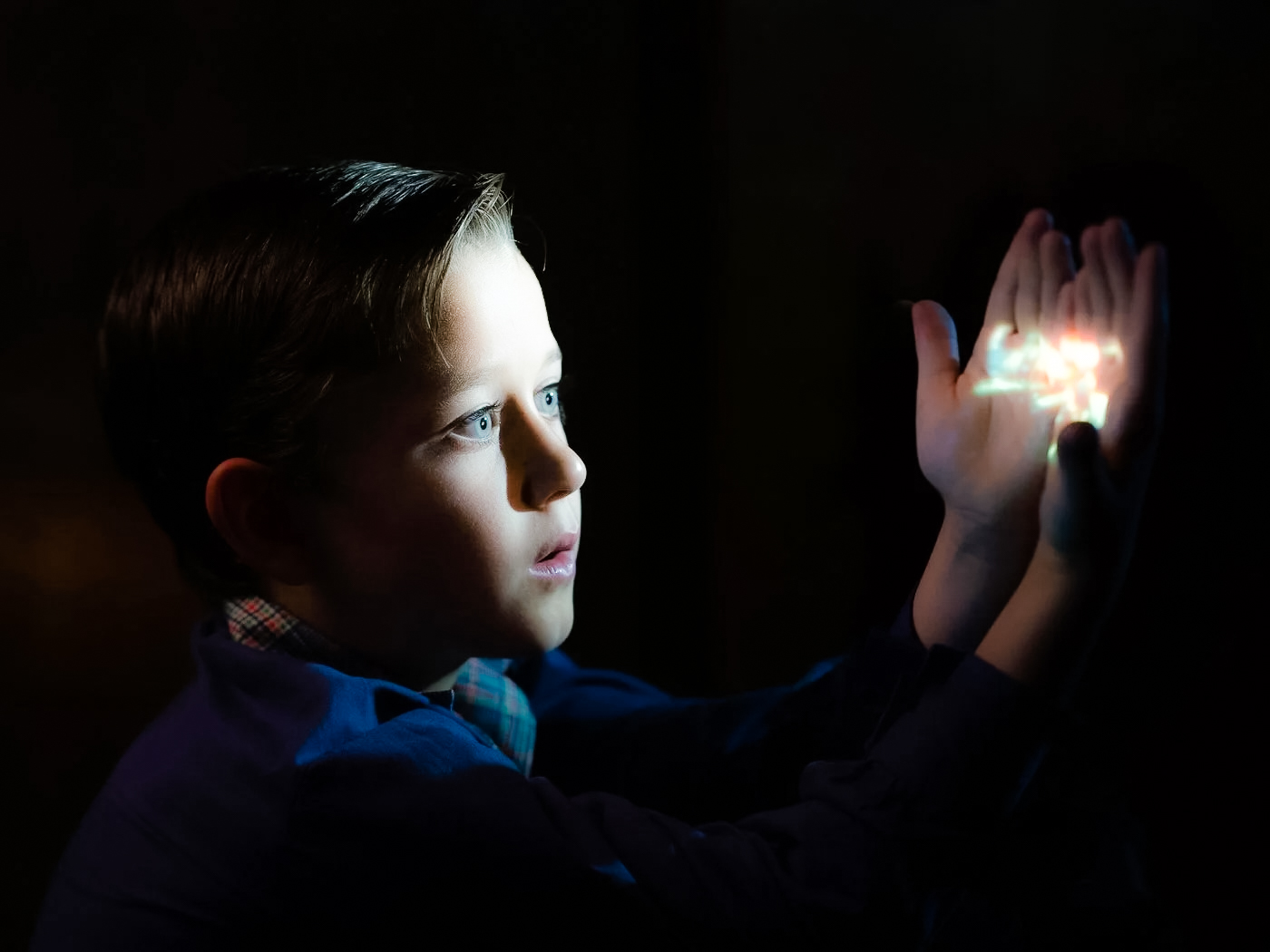
Visual Language: Cinematographer Janusz Kamiński used a variety of film stocks (35mm, 16mm, and Super 8) to differentiate between the "real" world and Sammy's films. The lighting evolves from a warm, nostalgic glow in New Jersey to a harsher, more clinical light in Northern California.
Recreating the 8mm Films: Spielberg personally directed the recreations of his childhood films (Gunsmog, Escape to Nowhere). While he tried to keep them amateurish, he admitted he couldn't help but find "better" camera angles than he did at age 11.
The Final Shot: In a famous "meta" moment, as Sammy walks away from John Ford's office, the camera frame physically tilts to adjust the horizon from the middle to the bottom, signaling Sammy has instantly applied the master's lesson.
Real-Life Parallels
The Divorce: Spielberg famously blamed his father for his parents' divorce for years, only to learn much later that it was his mother’s heart that had wandered. This film acts as a public "apology" to his father.
The Scout Films: Many of the films Sammy makes are shot-for-shot recreations of Spielberg's actual Boy Scout films, including the war epic Escape to Nowhere.
The "Ditch Day" Film: The high school sequence where Sammy films his bullies and turns one into a "hero" through editing is based on a real event where Spielberg realized that film could be used to manipulate perception and power.
Key Awards & Nominations:
Toronto International Film Festival: Won the People's Choice Award.
Golden Globes: Won Best Motion Picture – Drama and Best Director.
Academy Awards (95th): Received 7 nominations, including Best Picture, Best Director, and Best Actress.
Musical Score
The film marked the 29th (and one of the final) collaborations between Steven Spielberg and composer John Williams. Williams used a minimalist approach, avoiding sweeping orchestral themes in favor of piano pieces that feel like they could be played by Mitzi herself.






.jpg)