_
And, indeed, I will ask on my own account here, an idle question: which is better—cheap happiness or exalted sufferings? Well, which is better?---Fyodor Dostoevsky ---Notes from Underground Fyodor Dostoevsky ---Notes from Underground Even now, so many years later, all this is somehow a very evil memory. I have many evil memories now, but ... hadn’t I better end my “Notes” here? I believe I made a mistake in beginning to write them, anyway I have felt ashamed all the time I’ve been writing this story; so it’s hardly literature so much as a corrective punishment. Why, to tell long stories, showing how I have spoiled my life through morally rotting in my corner, through lack of fitting environment, through divorce from real life, and rankling spite in my underground world, would certainly not be interesting; a novel needs a hero, and all the traits for an anti-hero are expressly gathered together here, and what matters most, it all produces an unpleasant impression, for we are...
Hope
To be human is to be a miracle of evolution conscious of its own miraculousness — a consciousness beautiful and bittersweet, for we have paid for it with a parallel awareness not only of our fundamental improbability but of our staggering fragility, of how physiologically precarious our survival is and how psychologically vulnerable our sanity. To make that awareness bearable, we have evolved a singular faculty that might just be the crowning miracle of our consciousness: hope.--
Erich Fromm
ONE FLEW OVER THE CUCKOO'S NEST (1975)
The Struggle for Freedom
Directed by Miloš Forman, this film serves as a powerful allegory for the conflict between individual spirit and institutional control.
Nicholson performance in this film has been voted as the best performance by an actor of all time
One Flew Over the Cuckoo's Nest is one of the greatest American films of all time; directed by Milos Forman, film is based on Ken Kesey's 1962 best-selling novel.
Set up in the world of an authentic mental hospital (Oregon State Hospital in Salem, Oregon), the story is about defiance against the Establishment and institutional authority by an energetic, rebellious, anti-hero character, played by Jack Nicholson.
It was the first film since "It Happened One Night" (1934) to win all five of the top Academy Awards, for best picture, actor (Nicholson), actress (Louise Fletcher), director (Milos Forman) and screenplay (Lawrence Hauben and Bo Goldman).
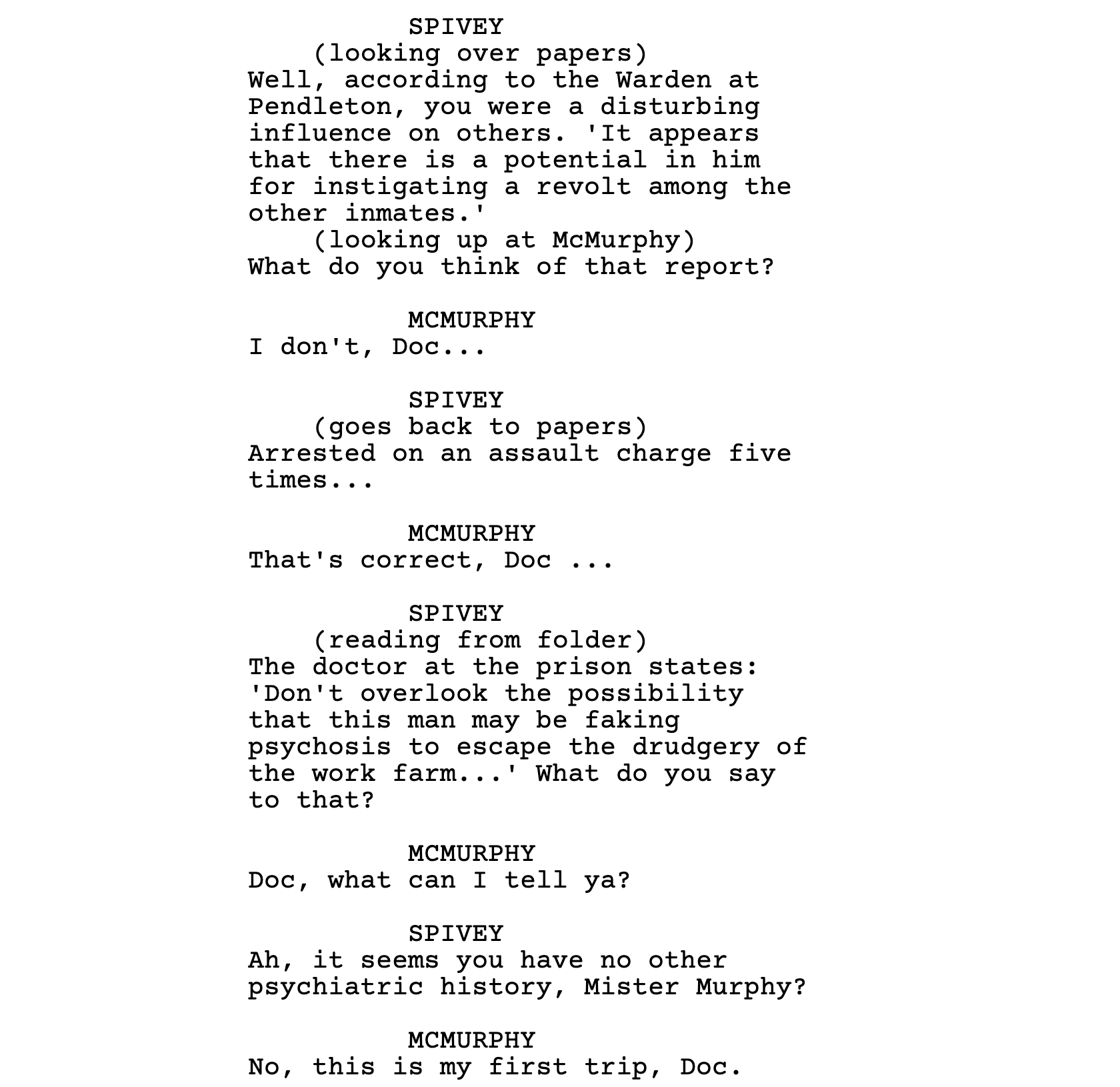
Randle Patrick McMurphy (Jack Nicholson) has served two months of his six-month sentence and has managed to get himself transferred to the state mental hospital for psychiatric observation, figuring that life in the loony bin would be easier than on the prison farm.
"Nicholson slips into the role of Randle with such easy grace that it's difficult to remember him in any other film"
"Is "One Flew Over the Cuckoo's Nest" not a great film because it is manipulative, or is it great because it is so superbly manipulative? I can see it through either filter. It remains enduringly popular as an anti-establishment parable, but achieves its success by deliberately choosing to use the mental patients as comic caricatures. This decision leads to the fishing trip, which is at once the most popular, and the most false, scene in the movie. It is McMurphy's great joyous thumb in the eye to Ratched and her kind, but the energy of the sequence cannot disguise the unease and confusion of men who, in many cases, have no idea where they are, or why."
E FLEW OVR THE CUCKOO'S NST
195
"You have to really decide where you want to live: if you want to live in the jungle or in the zoo."
Few filmmakers have navigated two completely different cinematic worlds as triumphantly as Miloš Forman. He was a foundational pillar of the Czechoslovak New Wave in the 1960s, using biting, deadpan satire to mock bureaucratic absurdity. After emigrating to the United States following the 1968 Prague Spring, he transformed into a master of the American mainstream, capturing multiple Academy Awards without ever losing his deeply humanistic, anti-authoritarian edge.
Whether directing non-professional actors in Prague or Hollywood icons in massive period pieces, Forman’s lens was always fixed on the individual vs. the institution.
The Dual Eras of an Maverick
1. The Czechoslovak New Wave (1963–1967)
In his homeland, Forman pioneered a style deeply influenced by Italian Neorealism and French Cinema Verité, but injected with a uniquely dry, Czech sense of irony. He favored non-professional actors, hidden cameras, and heavily improvised dialogue to capture the mundane, awkward realities of socialist life.
Black Peter (Černý Petr, 1964): A subtle, funny look at the generational disconnect and the aimlessness of youth under a rigid social system.
Loves of a Blonde (Lásky jedné plavovlásky, 1965): A bittersweet, beautifully tender examination of young romance, sexual politics, and factory-town provincialism.
The Firemen's Ball (Hoří, má panenko, 1967): A brilliant, razor-sharp allegory where a chaotic, corrupt small-town gala becomes a microcosm for the entire communist regime. It was banned "permanently" by the state after the Soviet invasion.
2. The American Masterpieces (1975–1999)
Arriving in Hollywood, Forman traded his hyper-realist documentary style for classical narrative sweep, yet his core theme remained fiercely intact. He became the definitive director of the eccentric outcast fighting a rigged system.
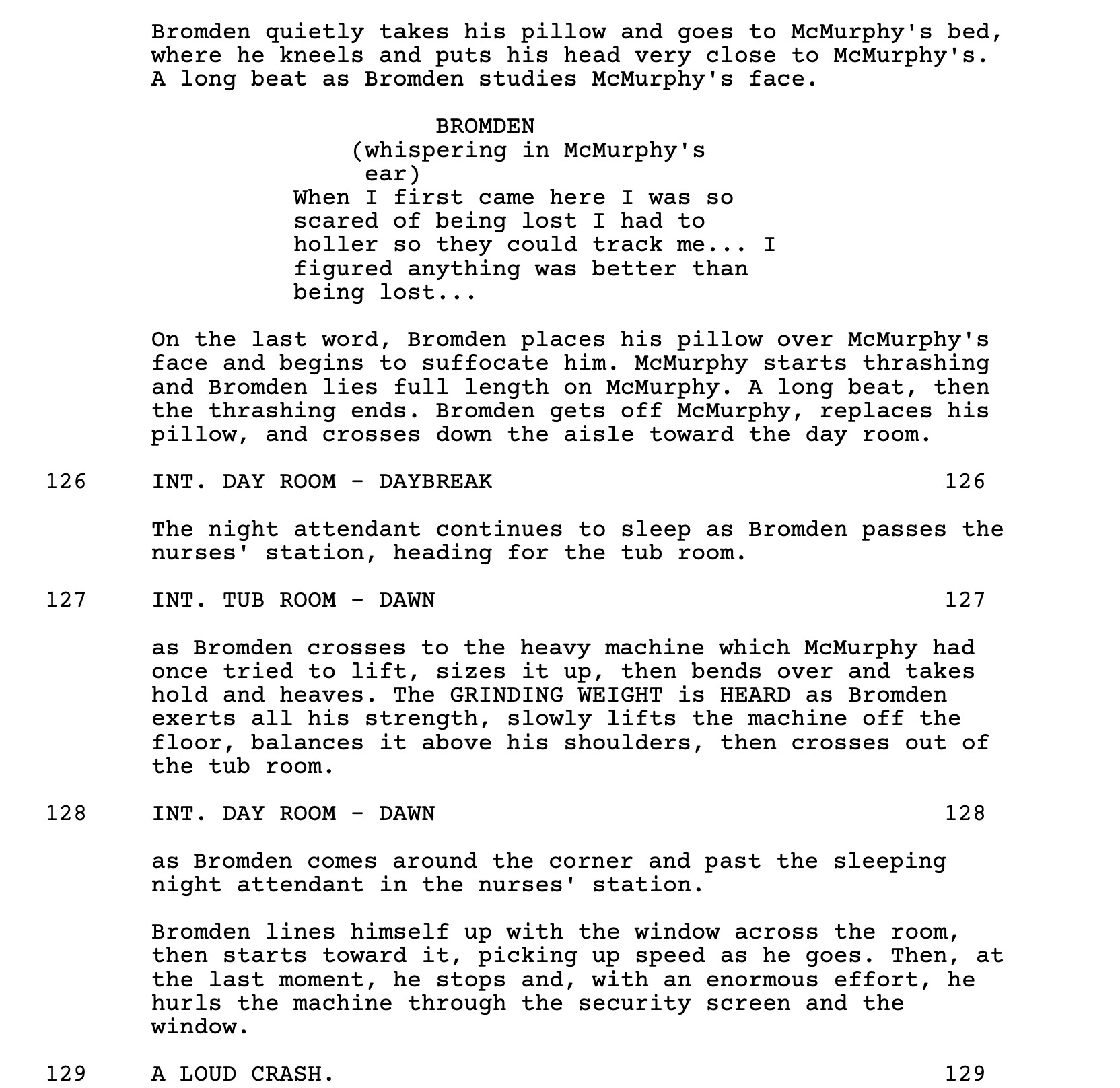
One Flew Over the Cuckoo's Nest (1975): A masterclass in tension and empathy. Randle McMurphy’s battle against Nurse Ratched became a timeless parable of institutional control. It sweepingly became one of the few films to win the "Big Five" Academy Awards (Picture, Director, Actor, Actress, Screenplay).
Amadeus (1984): Forman took a lavish period piece and stripped away the starch. By framing the genius of Mozart through the bitter, pedestrian mediocrity of Salieri, he created a profound psychological drama about art, divinity, and envy. Shot largely in his native Prague, it won 8 Oscars.
The People vs. Larry Flynt (1996) & Man on the Moon (1999): A pair of brilliant, subversive biographical studies focusing on cultural agitators—a pornographer defending the First Amendment and Andy Kaufman challenging the very concept of reality in comedy.
"I am not a rebel in life. I am a rebel in the cinema. I love to see people who are fighting against the establishment because I was raised in an establishment where you couldn't fight.
— Miloš Forman
Forman's cinema is rarely cynical; even at its most tragic, it is filled with an immense warmth for human flaws, vulnerability, and the joy of defiance.
Screenplay Structure and the "Gittes POV"
Robert Towne's screenplay is widely taught in film schools as the gold standard of three-act structure. Its brilliance lies in its strict adherence to subjective point of view.Information Parity: The audience knows only what Jake Gittes knows. Every clue he uncovers, we discover simultaneously. There are no cutaways to the villains plotting, and no scenes featuring other characters without Jake present.
The Nose Bandage: After a thuggish security guard (played in a cameo by Roman Polanski himself) slashes Jake's nose, Jake spends a significant portion of the film wearing a large, ridiculous white bandage. This visual choice serves two purposes: it strips him of his vanity, and it acts as a constant physical reminder of the dangers of sticking one's nose into the affairs of the powerful.
Polanski’s Direction and Alonzo’s Cinematography
Roman Polanski brought an outsider’s cynical European eye to this deeply American story, clashing famously with screenwriter Robert Towne over the film's ending. (Towne originally wanted a happier, or at least more redemptive, ending where Evelyn escapes, but Polanski insisted on the tragic climax to reflect the harsh, unjust realities of the world).
The Golden Hour Aesthetic: Director of Photography John A. Alonzo shot the film using a warm, golden, pastel palette. Instead of the high-contrast shadows (chiaroscuro) of traditional 1940s black-and-white noir, Chinatown utilizes a hazy, blinding daylight that makes the corruption feel exposed yet untouchable.
The Unobtrusive Camera: Polanski’s camera often sits over Jack Nicholson’s shoulder, pulling us into his investigative gaze. The framing is tight, claustrophobic, and deliberate, building a sense of paranoia even in wide-open spaces like the orange groves or the saltwater reservoirs.
Cultural Impact and Legacy
The "Big Five" Sweep: The film was only the second in history (following It Happened One Night in 1934, and later followed by The Silence of the Lambs in 1991) to sweep the five major Academy Awards.
Anti-Establishment Iconography: Released in the mid-1970s, shortly after the end of the Vietnam War and the Watergate scandal, the film perfectly captured the era's deep-seated distrust of authority, government, and established systems.
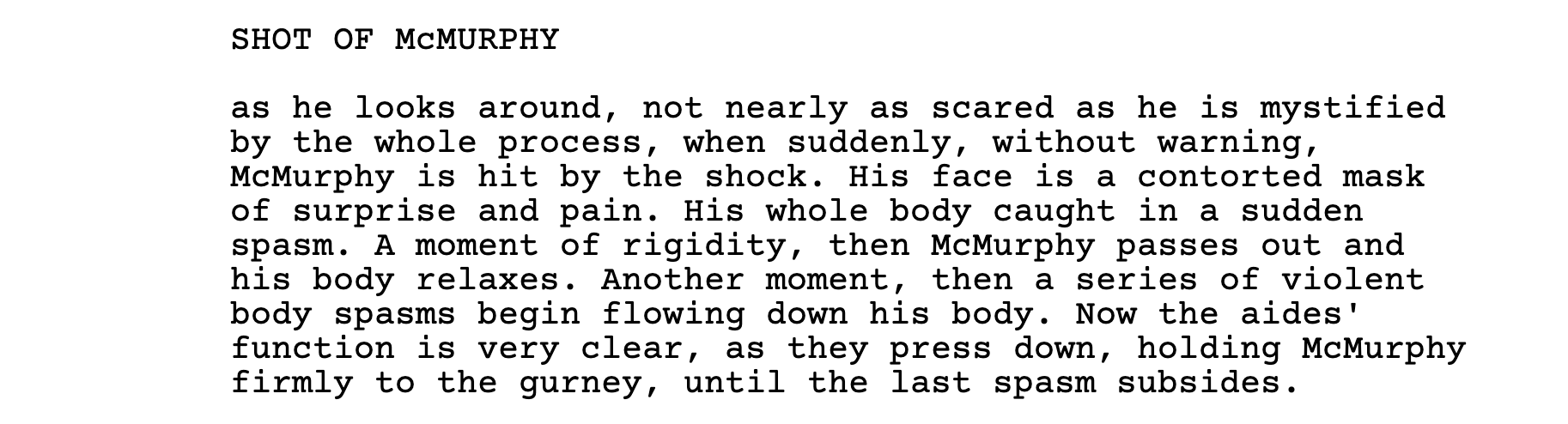
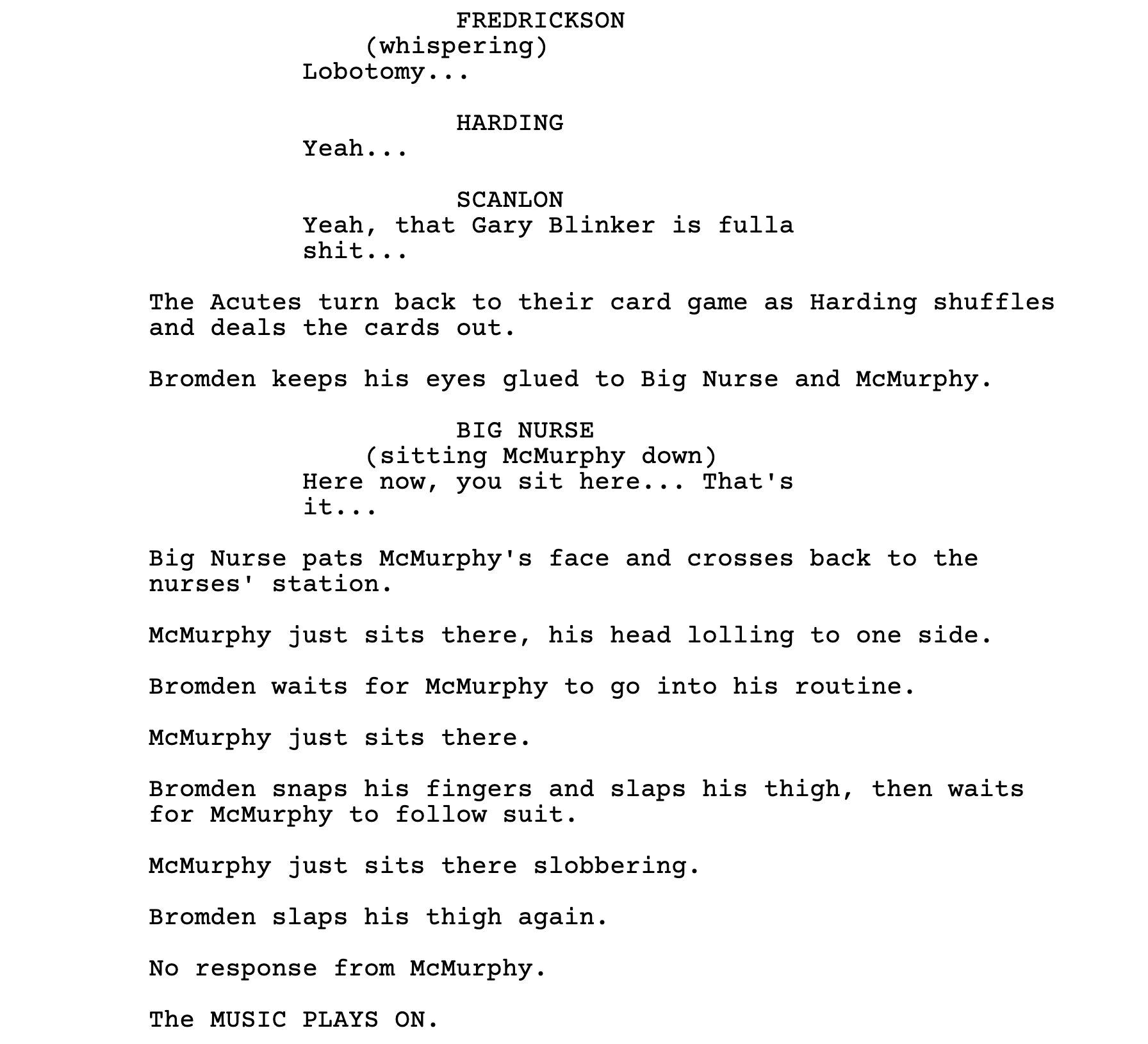
Stigma and Mental Health: While praised as a masterpiece of storytelling, the film also had a complex legacy regarding its depiction of psychiatric treatment. It contributed heavily to the public's negative perception of electroconvulsive therapy (ECT) and lobotomies, fueling the anti-psychiatry movement of the late 20th century.


%239-c-2.jpg)











.png)


